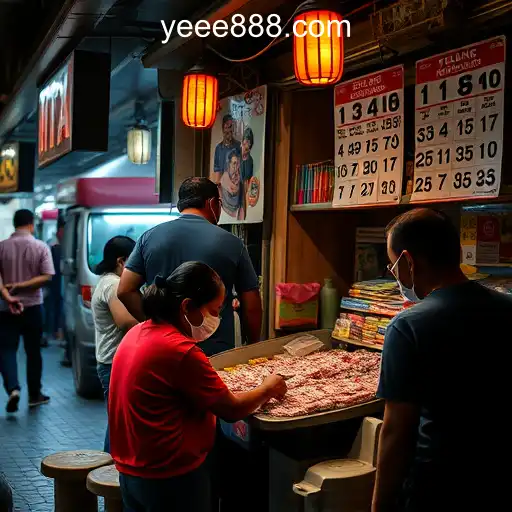
Understanding Jueteng
Jueteng is a popular illegal numbers game in the Philippines, deeply rooted in the social and economic fabrics of Filipino society. The activity, often seen as a form of gambling, operates in a complex web involving bettors, operators, and law enforcement entities. Its persistence is indicative of both the entertainment value it offers and the socio-economic challenges in the region.
The Mechanics of Jueteng
At its core, Jueteng is a simple numbers game. Players select a pair of numbers, usually between 1 and 37, and place their bets. If their chosen numbers are drawn, they win a cash prize. The draw is typically held twice daily, managed by local operators who ensure its continuity despite its illegal status. The appeal of Jueteng lies in its simplicity and accessibility, allowing individuals from various socio-economic backgrounds to participate.
Historical Background
The origins of Jueteng can be traced back to the Spanish colonial period in the Philippines, where it was introduced as a pastime for the working class. Over the years, it evolved into a widespread practice, with attempts to regulate it proving futile. Efforts to legalize Jueteng have been met with resistance due to the perception that it exploits the economically disadvantaged.
Social and Economic Impact
Despite its illegal status, Jueteng has a significant socio-economic impact. It provides livelihood opportunities for thousands of cabos (bet collectors) and cobradores (money collectors), creating a shadow economy. The stakes are generally low, making it an attractive activity for people seeking quick monetary rewards. However, critics argue that it perpetuates poverty, as individuals often spend significant portions of their income on betting.
Political and Legal Challenges
Jueteng operates in a gray area, with local officials and law enforcement often accused of turning a blind eye. Corruption is endemic, as operators are suspected of bribing officials to ensure the game continues uninterrupted. Despite numerous crackdowns and legislative attempts to curb its proliferation, Jueteng persists, raising questions about governance and accountability.
Comparison to Other Gambling Activities
Contrasting with legal gambling like YE888.COM Oficial Slots Brasil #1, which operates under government regulations and contributes to state revenues, Jueteng remains in the shadows. While online platforms offer transparency and legal channels for gambling, Jueteng thrives on its anonymity and informal networks. This dichotomy highlights the diverse landscape of gambling activities globally, with cultural and economic factors influencing their prevalence.
The Role of Technology
In recent years, technological advancements have begun to affect how Jueteng operates. Digital platforms and mobile technologies are explored to either curb or digitalize the game, depending on regulatory perspectives. While these efforts aim to curtail illegal operations, they also pose challenges regarding regulation and ensuring equitable access for all participants.
Future Outlook
The future of Jueteng is uncertain. However, addressing its root causes, such as poverty and lack of economic opportunities, is crucial for any lasting solution. Discussions about the potential for legalization often arise, but cultural resistance and the risk of exploitation remain significant obstacles. The conversation around Jueteng is emblematic of broader societal issues, necessitating comprehensive strategies involving both policy reform and community engagement.